
UltraFleece Filter Paper
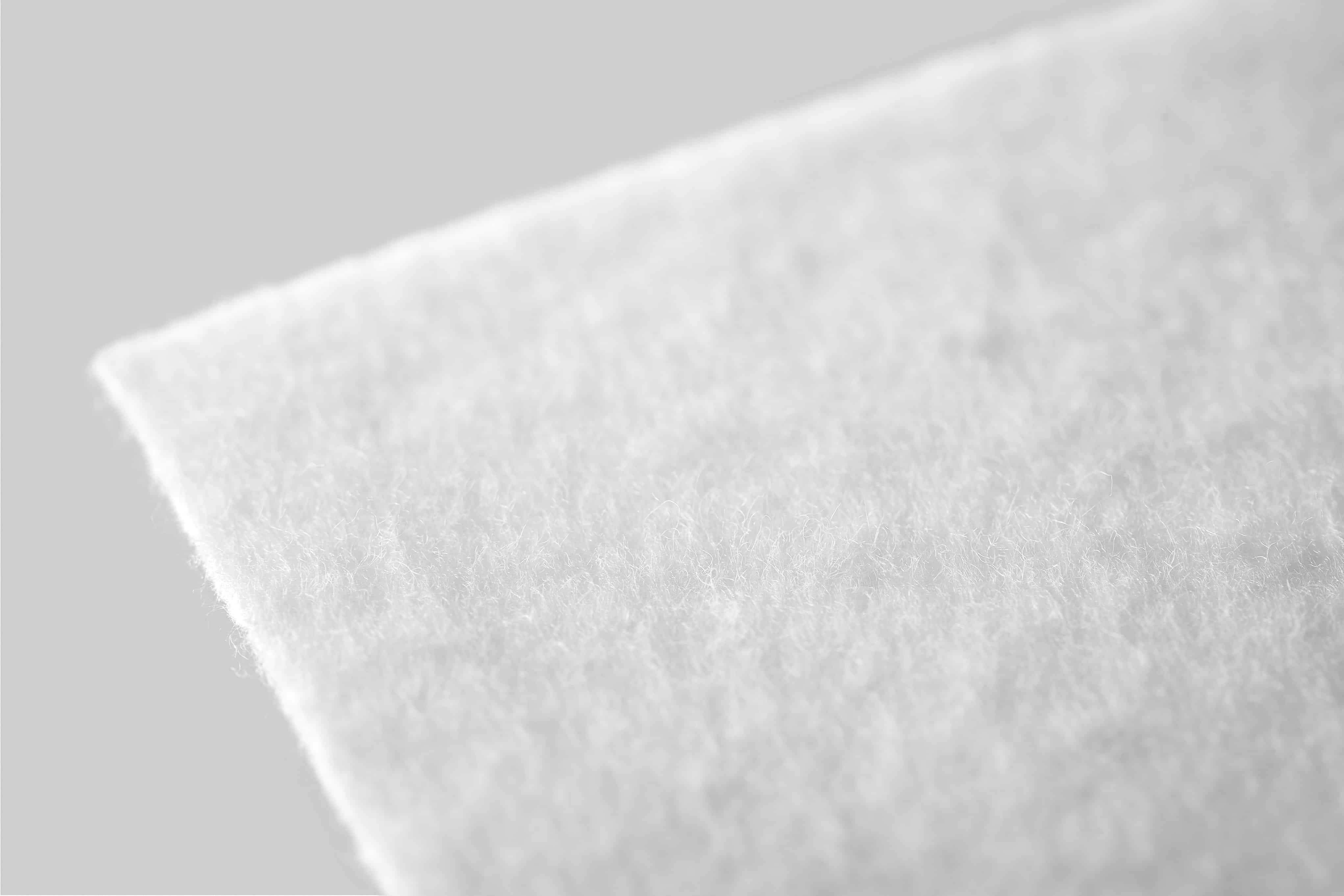
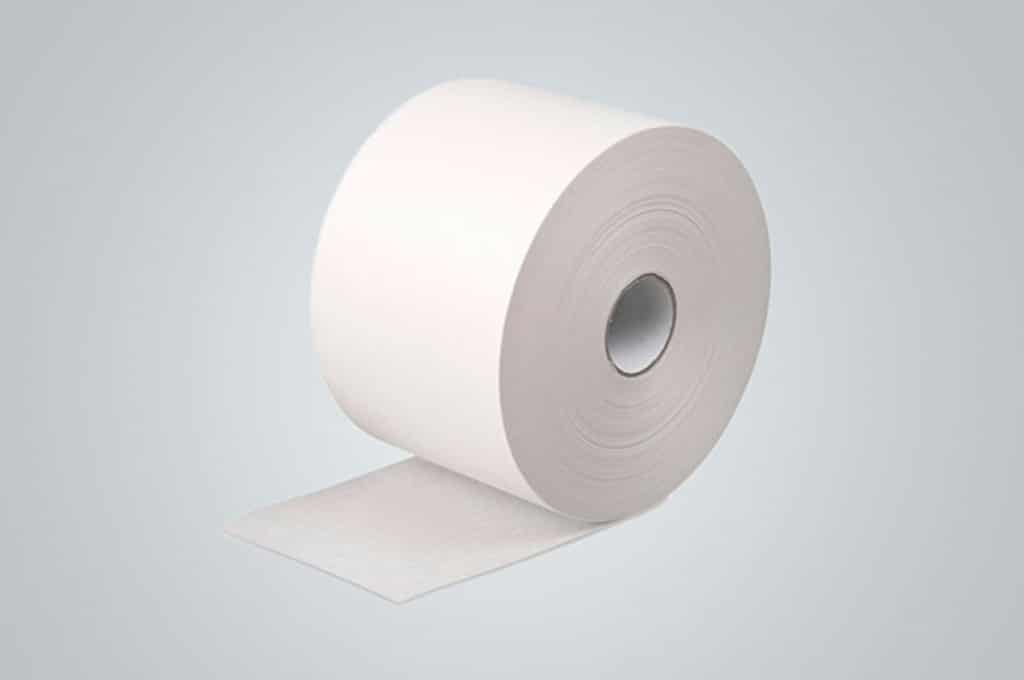
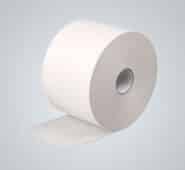
UltraFleece is a high-quality 3D filter paper that is particularly well-suited for filtration applications requiring effective fine filtration of liquids. The filter paper is made of polyester, with the fibers thermally bonded together, resulting in a strong filter paper with excellent filtration properties.
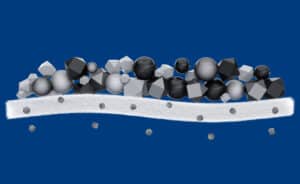
The unique 3D structure allows the filter paper to bind and retain particles within the filter paper itself. This makes UltraFleece well-suited for filtering oil, emulsions, water, and alkaline liquids.
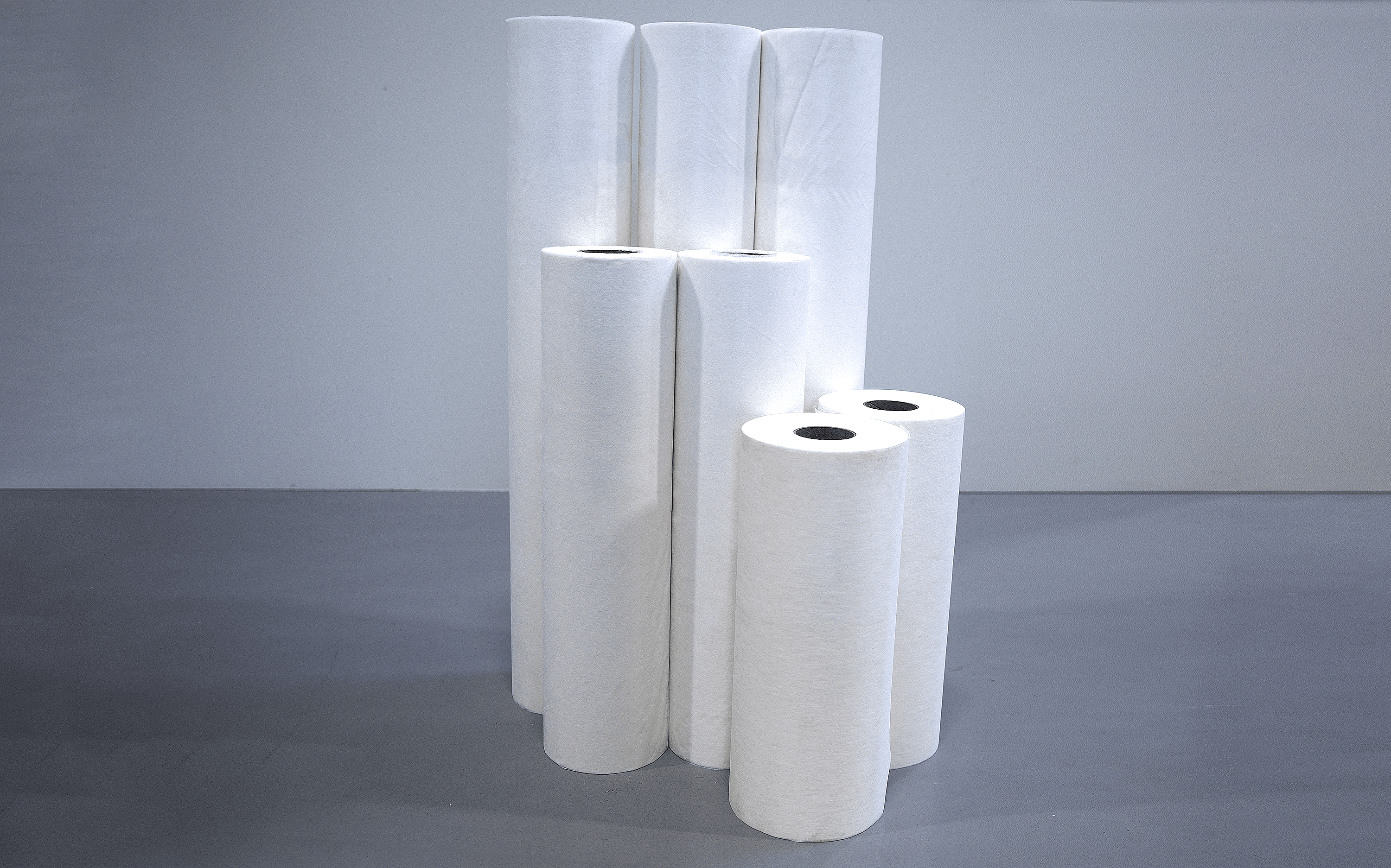
UltraFleece is particularly well-suited for filtration applications that require fine filtration and effective particle retention. The filter paper is available in various thicknesses ranging from 35 to 400 g/m² and offers high strength, making it a durable choice for industrial filtration processes.
Guide: Get Help Choosing Filter Paper
Which filter paper should you choose for your Band filter? In this video, our specialist Anders explains the different types of filter paper and how the filtration grade and material affect the filtration results.
Didn't find the answer to your question in the video? You're always welcome to contact us directly by email at [email protected] or reach out to us via the contact form.
Table Summary: Filter Paper
| Filter paper type | Materials | Fluid Type | Strength |
|---|---|---|---|
| EcoPrint | Viscose | Oil, emulsion, water | Weak |
| EcoPoly | Polyester | Oil, emulsion, water, alkaline liquid | Strong |
| EcoPolypropylene | Propylene | Strongly alkaline liquids, acids, solvents | Strong |
| Ultrafleece | Polyester | Oil, emulsion, water, alkaline liquid | Strong |
| Ultrajet | Polyester | Oil, emulsion, water, alkaline liquid | Strong |
Related Products
's Frequently Asked Questions
Which filter paper should I choose?
We always recommend contacting our advisor when selecting filter paper, and when recommending a product, we always consider the following:
- Type of filter system (is it a vacuum filter where the liquid is drawn through, or is it the liquid's own weight that causes it to flow through the filter paper?)
- The process fluid (here we examine viscosity, pH, and chemical composition)
- Impurities (what do we need to filter out of the liquid, and how small are the particles we're dealing with?)
- Flow (the volume and pressure at which the fluid flows)
Once we've reviewed the information above, we can determine which type of filter paper we recommend.
How do I choose the right thickness?
The thickness of filter paper depends on the application, and it is always recommended to start by considering the size of both the small and large particles present in the liquid you need to filter. Once you have a general idea of this, you can determine which thicknesses are ideal for your application based on the micron size.
When using filter paper to build a filter cake—which forms as larger particles clump together on the filter cloth, thereby filtering smaller particles out of the liquid—you need to determine what thickness of filter paper to use to ensure this process is successful. It is also important to choose a thickness that ensures satisfactory filtration without using more filter paper than necessary.
How do I choose the right material?
The choice of filter paper depends, among other things, on the type of liquid and the strength requirements for the paper. At ANMASI Group , we offer filter paper in three materials: polyester, polypropylene, and viscose.
To ensure the best solution, we recommend that you send us a data sheet for the liquid or describe the application. That way, we can advise you on the most suitable filter paper for the job.
How well do the different types of filter paper filter?
How effectively filter paper filters depends primarily on two factors: the material’s structure and its thickness. When evaluating filtration performance, we focus in particular on the filter paper’s ability to form a dense and thick filter cake, as this is often the best indicator of how effectively particles are retained in the liquid.
At ANMASI Group , we offer four different types of filter paper, each available in several thicknesses. The different materials and surface textures provide varying filtration results, making them suitable for a variety of applications.