


Coolant saver
Our coolant saver is designed and manufactured for the continuous removal of small amounts of liquid from chip containers and machine tanks.
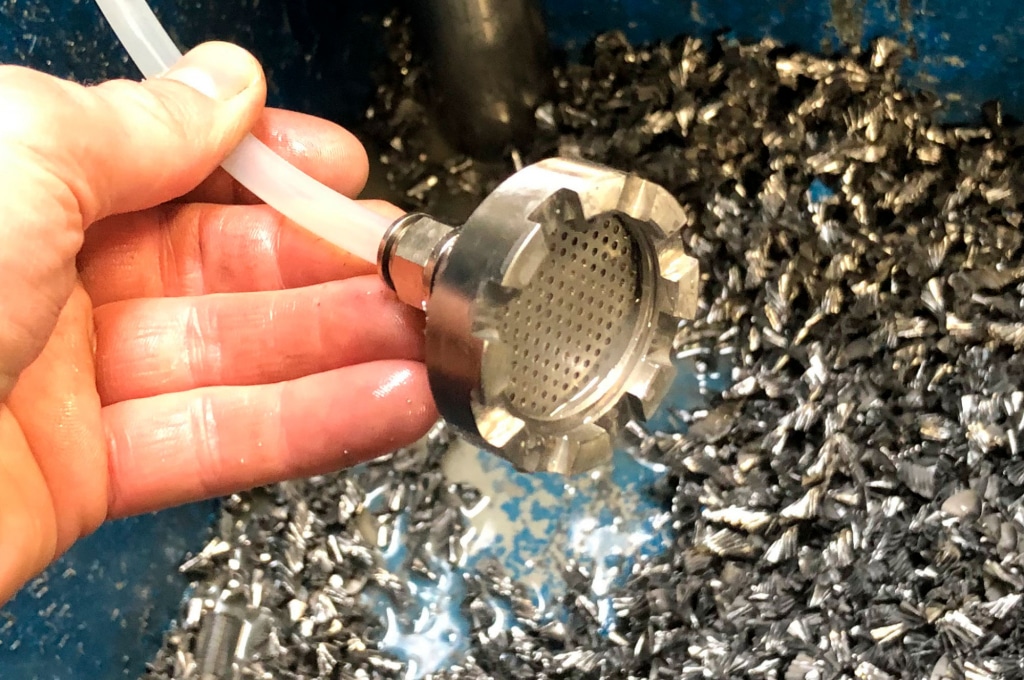
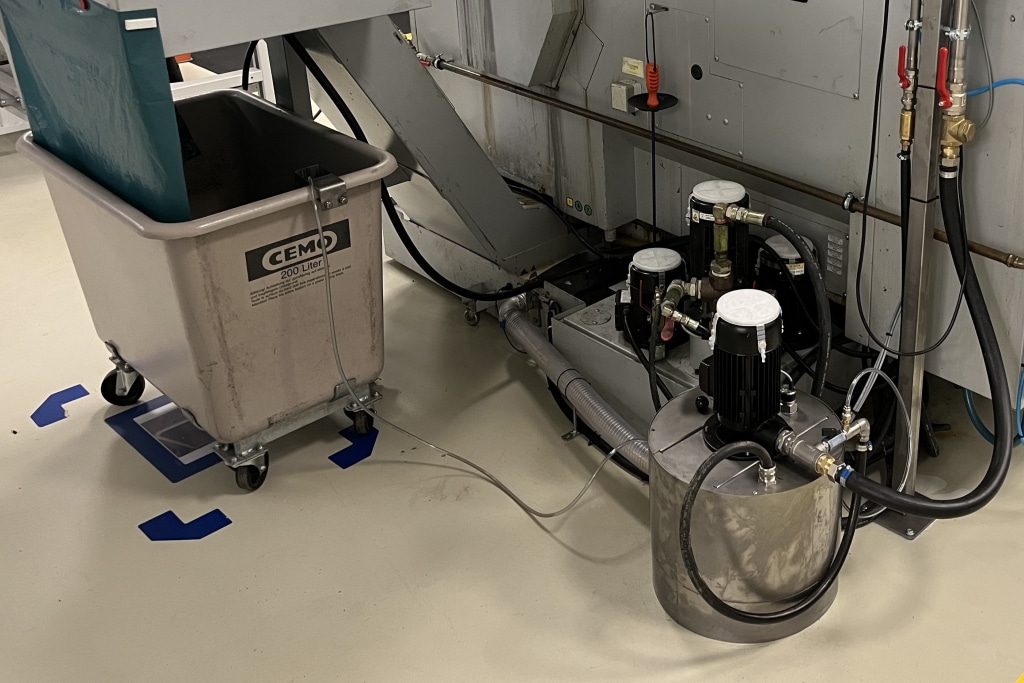
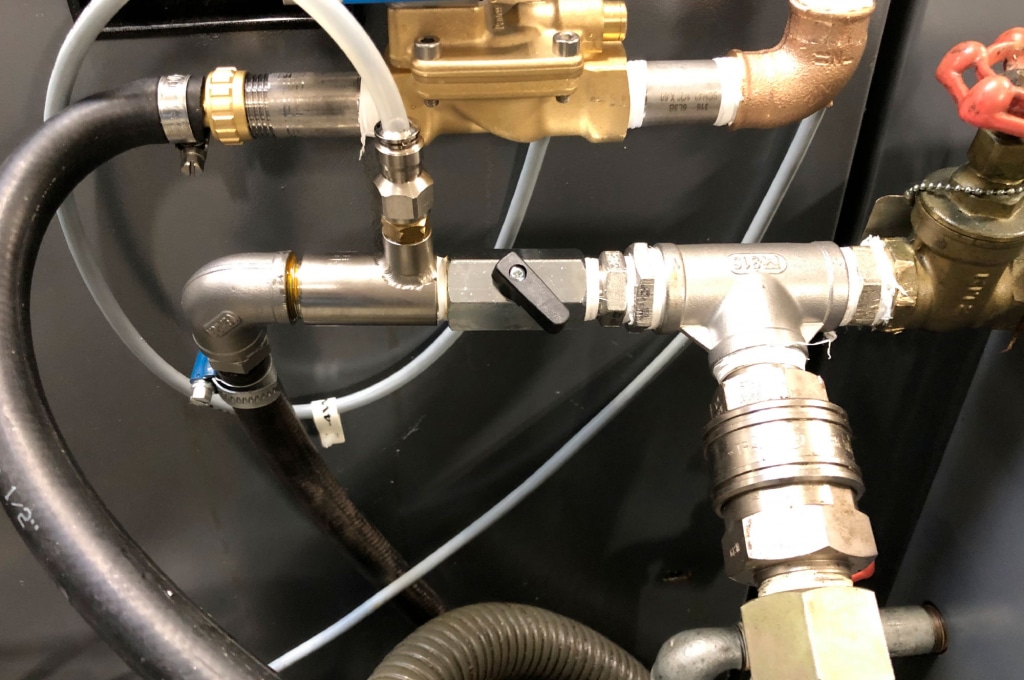
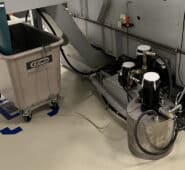
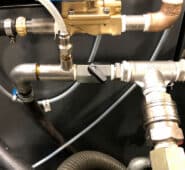
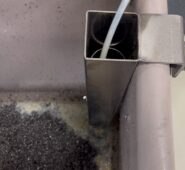
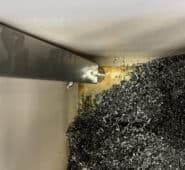
The FILCO coolant saver is installed in parallel with a feed pump, so that the fluid supplies both the machine and the coolant saver. The suction head is placed, for example, in the chip container, which holds excess fluid from the machining process. When the coolant passes through the coolant saver, a vacuum is created, which then draws the fluid up through the suction head in the chip container and returns it to the machine.
This makes it possible to optimize the amount of cooling lubricants and oils used in production, while also reducing waste and environmental impact.
The Coolant Saver recirculates oil and coolant, reducing waste:
- Capacity of up to 20 liters per minute
- Parts that come into contact with the medium are made of chemical-resistant materials.
- Easy to clean
- Fully automatic operation
- Uses no power
- Simple and easy to install
- Inhibits bacterial growth
- An adjustable holder to protect the hose in the chip container is included
The Coolant Saver comes with a 5-meter suction hose, a 2-meter return hose, and an adjustable holder for the chip container to protect the suction hose inside.
Table Summary: Coolant saver
| Model | SP2 |
|---|---|
| Flow Capacity | 2 L/min |
| Electrical Connection | 1×230V / 3×400V + PE 50 Hz |
| Protection Class | IP54 |
| Weight | 13.5 kg |
Related Products
's Frequently Asked Questions
Which filter paper should I choose?
We always recommend contacting our advisor when selecting filter paper, and when recommending a product, we always consider the following:
- Type of filter system (is it a vacuum filter where the liquid is drawn through, or is it the liquid's own weight that causes it to flow through the filter paper?)
- The process fluid (here we examine viscosity, pH, and chemical composition)
- Impurities (what do we need to filter out of the liquid, and how small are the particles we're dealing with?)
- Flow (the volume and pressure at which the fluid flows)
Once we've reviewed the information above, we can determine which type of filter paper we recommend.
How do I choose the right thickness?
The thickness of filter paper depends on the application, and it is always recommended to start by considering the size of both the small and large particles present in the liquid you need to filter. Once you have a general idea of this, you can determine which thicknesses are ideal for your application based on the micron size.
When using filter paper to build a filter cake—which forms as larger particles clump together on the filter cloth, thereby filtering smaller particles out of the liquid—you need to determine what thickness of filter paper to use to ensure this process is successful. It is also important to choose a thickness that ensures satisfactory filtration without using more filter paper than necessary.
How do I choose the right material?
The choice of filter paper depends, among other things, on the type of liquid and the strength requirements for the paper. At ANMASI Group , we offer filter paper in three materials: polyester, polypropylene, and viscose.
To ensure the best solution, we recommend that you send us a data sheet for the liquid or describe the application. That way, we can advise you on the most suitable filter paper for the job.
How well do the different types of filter paper filter?
How effectively filter paper filters depends primarily on two factors: the material’s structure and its thickness. When evaluating filtration performance, we focus in particular on the filter paper’s ability to form a dense and thick filter cake, as this is often the best indicator of how effectively particles are retained in the liquid.
At ANMASI Group , we offer four different types of filter paper, each available in several thicknesses. The different materials and surface textures provide varying filtration results, making them suitable for a variety of applications.