
Washing, filtration, and wastewater solutions for Metal industry
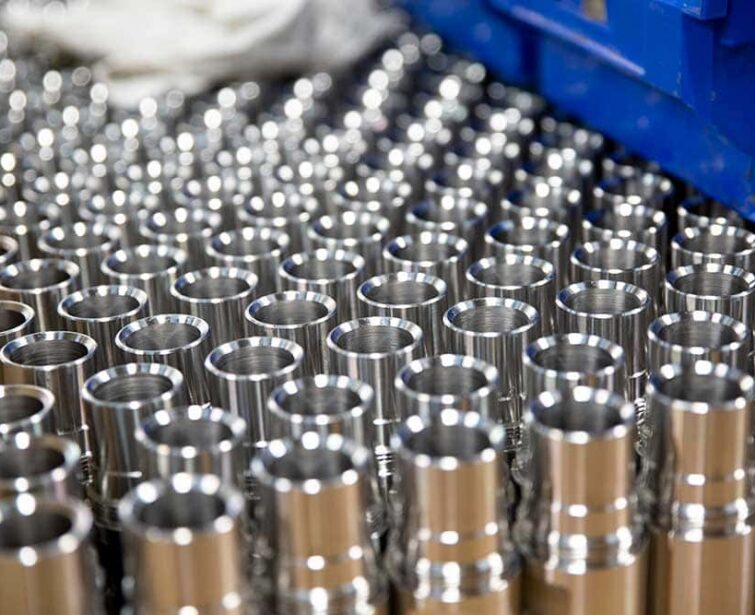
35 years of experience cleaning metal parts
Since it all began more than 35 years ago, the requirements for cleanliness and documentation have become increasingly stringent. Today, we operate daily in accordance with strict ISO standards, which help define when a part is sufficiently clean. These increased requirements have meant that, over the years, our cleaning facilities have become both larger and more advanced in order to meet the needs of the metal industry.
We have extensive experience cleaning parts made of all types of metals and use, among other methods, ultrasonic cleaning, rinse washing, hot-air drying, and vacuum drying. By combining different technologies, we can tailor solutions that address our customers’ challenges and ensure the desired level of cleanliness.
Our Solutions
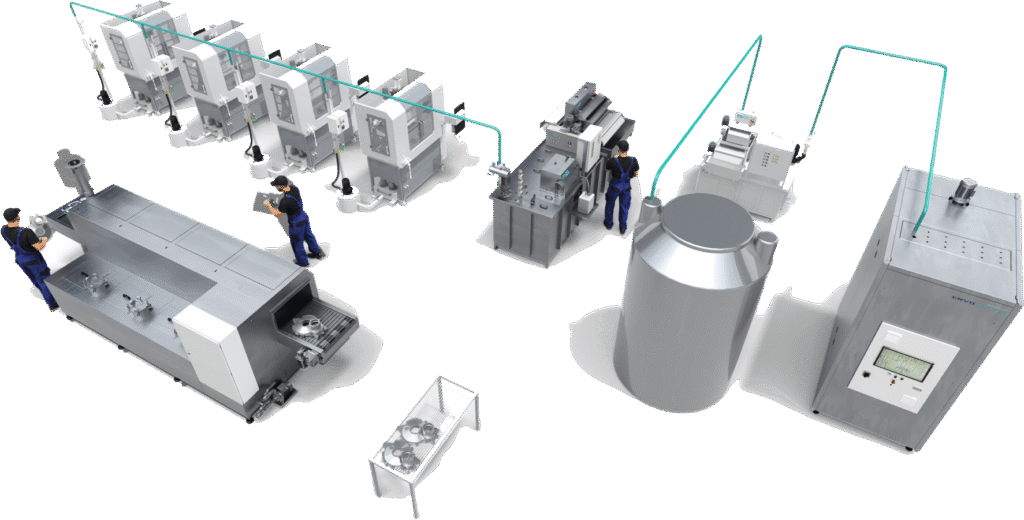
ANMASI Group consists of three specialized brands, each of which can function as a standalone solution or be integrated into a single, comprehensive process. When the solutions are combined, we call it a circular process solution.
This means that the wash water can be filtered and evaporated, after which it is returned to the washing system and reused over and over again.
Complete process solutions for Metal industry
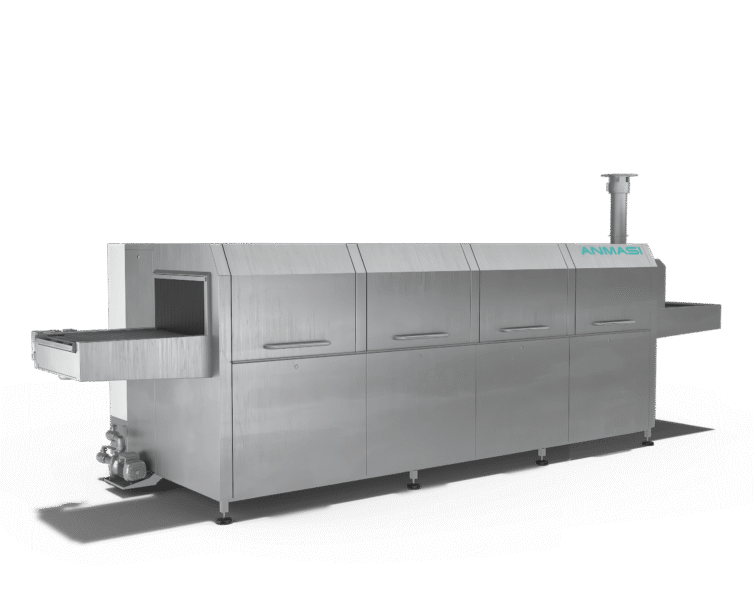
At Metal industry , cleanliness is always a top priority. That’s why, at ANMASI Group , we focus not only on cleaning results but also on the environment and operating costs when designing a solution. This is very important to our customers, which is why we have developed many new washing systems and chemicals in recent years that enable more environmentally friendly and resource-efficient processes.
Our solutions include not only washing systems, but also our other business areas within filtration and evaporation, which have been specifically developed for Metal industry. We offer dedicated solutions for virtually all filtration and wastewater treatment tasks and remove everything from metal chips and oils to heavy metals, cooling lubricants, and chemicals from process fluids.
Customer Case Study from Metal industry
Metal industry sets high standards for quality, cleanliness, and process consistency. As workpieces become larger and more complex, it may also be necessary to optimize the washing process to ensure consistent and effective results.
This was the experience of Formkon A/S, which works with prototypes and pilot production runs in aluminum and magnesium for the automotive industry, among others. To meet increasing customer demands for cleanliness and handle larger parts, the company needed to upgrade its existing washing process.
In collaboration with ANMASI A/S, an advanced, fully automated washing system was therefore developed, which has provided Formkon with a more stable process, higher purity, and improved drying of the workpieces.
Watch the video to see Formkon A/S they have optimized their washing process.
Frequently Asked Questions
-
Can the ANMASI washing system be used for all metals?
Yes, our cleaning system can be used for all metals.
The key factor is usually not the washing system itself, but the choice of cleaning chemicals. Some cleaning agents can affect or damage certain materials if they are not suited to the specific application.
That is why it is important to choose the right chemical based on the type of material, the nature of the contamination, and the cleanliness requirements. At ANMASI, we are happy to help you find the optimal combination of process and chemicals so that the parts are cleaned effectively without compromising surface quality.
-
What do you usually recommend for washing engine parts and tools during maintenance?
It always depends on the specific task. That’s why we start with a needs analysis, where we assess the size of the workpieces, contamination levels, cleanliness requirements, and the desired work process.
For maintenance tasks, however, we often recommend Toploader —or Frontloader —Spray washers. These systems are versatile and well-suited for cleaning everything from small components and tools to larger engine parts and machine components.
In many workshops, the rinse washer is combined with an industrial ultrasonic cleaner, such as the Maxi or Maximatic. This is because maintenance departments often work with many different types of parts and contaminants.
The combination of rinse washing and ultrasound therefore provides a flexible solution capable of handling a wide range of cleaning tasks.
-
When is an oil separator used?
An oil separator is used to remove free oil and unwanted oils from process fluids. It is particularly well-suited for applications such as wash tanks, machine tools, process fluid tanks, and wastewater treatment.
The oil separator draws oil from the surface of the liquid via a self-leveling suction head. The oil is then gently separated from the process liquid through a 2- or 4-chamber labyrinth system. The gentle pumping action prevents unnecessary agitation of the liquid, ensuring effective oil separation.
An oil separator is therefore a good solution when you want to keep the process fluid free of unwanted oil, extend the fluid's service life, and ensure stable processes.
-
When is a magnetic separator used?
A magnetic separator is used to remove magnetic particles from various liquids, such as coolant, process fluids, oil, and wastewater. It is particularly effective at removing iron oxide, graphite, and other magnetic particles.
The magnetic separator is equipped with a powerful magnet with a large surface area, which ensures efficient collection of particles. It can also be easily integrated into existing filtration equipment, such as directly onto a Band filter.